Working with inspired startups and their state of the art technology brings out the best in our experts. The joy of learning about a new technology or brand identity and shaping the future of a start-up company in collaboration with the client is a great motivating factor in our work.
We help entrepreneurs scout and evaluate the market to certify that competitors have not already patented a similar product or technology. Having confirmed the patentability of the technology, we help draft and prosecute patent applications to protect the rights of our clients.
READ ALSO: Get help when you want to apply for a patent covering your idea
In addition, we help startups choose and register their business name and raise their awareness of the importance of a trademark strategy. Naming one’s business requires a lot of reflection, technical insight and legal considerations. Done correctly, a strategy and an effective business name will most likely prove to be your most powerful branding tool.
READ ALSO: Get help when you want to apply for a trademark registration
We understand that intellectual property rights may be difficult to comprehend. When advising entrepreneurs and startups, it is our clients’ passion, creativity and ambitions that facilitate fruitful collaboration, not their knowledge of IPR matters.
We meet all our clients at their level of expertise and join the innovative out of the box thinking to come up with the best solution for each individual client.
Ultimately, we thrive on helping talented entrepreneurs turn their startup company into a competitive and successful business by securing their rights at an early stage. You can read stories about IP consulting for startups clients such as Aguardio, Ecobotix & Kitemill below.
Check out our startup solutions and case stories below
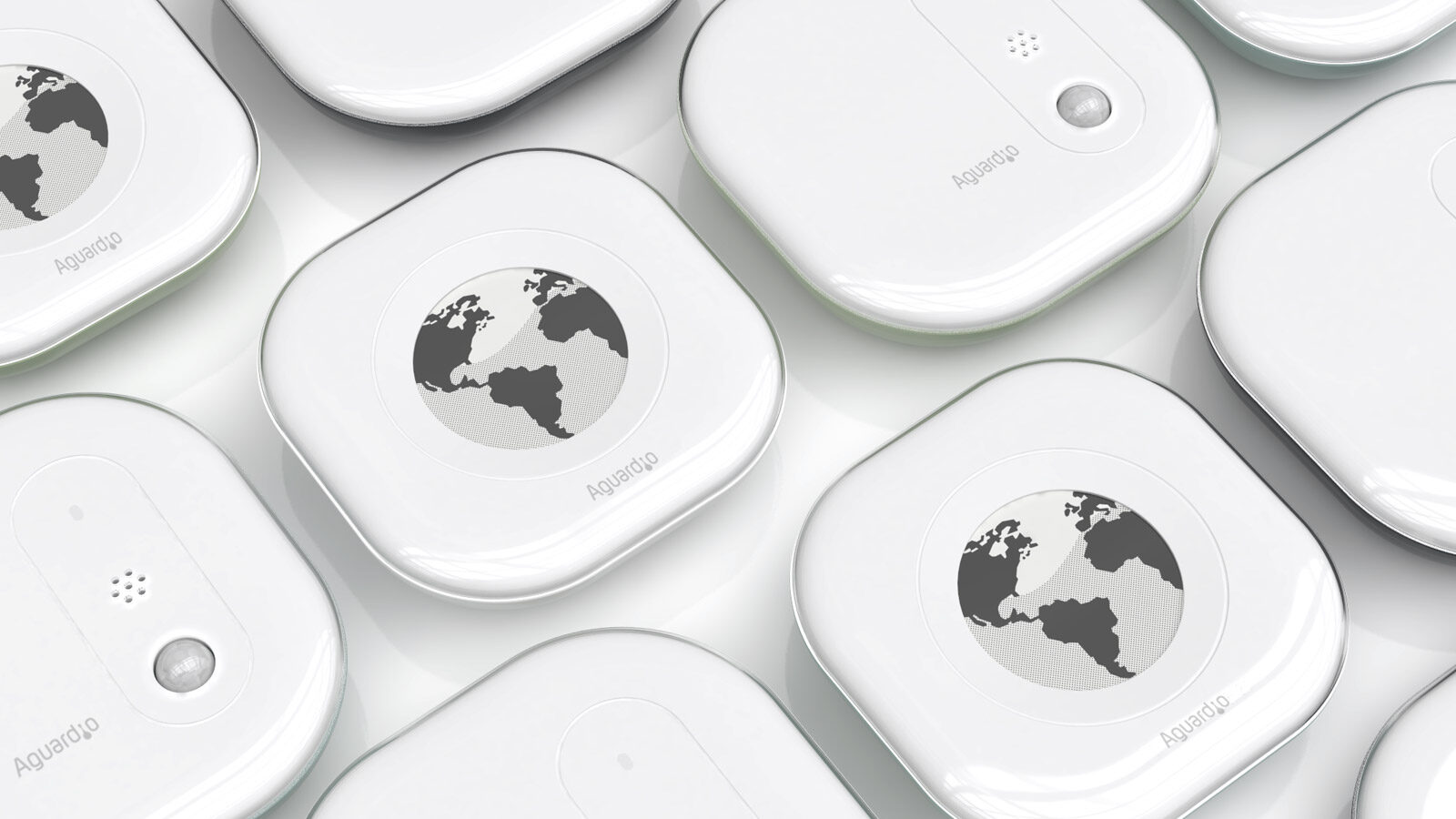
AGUARDIO: Design protected sensor shortens our shower time
Aguardio has developed an IoT based device that makes the user consume less water whilst in the shower. The solution is design protected, and Aguardio is currently working on an IP strategy that can cover the data gathering, which has become a bigger part of the business than the founders initially assumed.
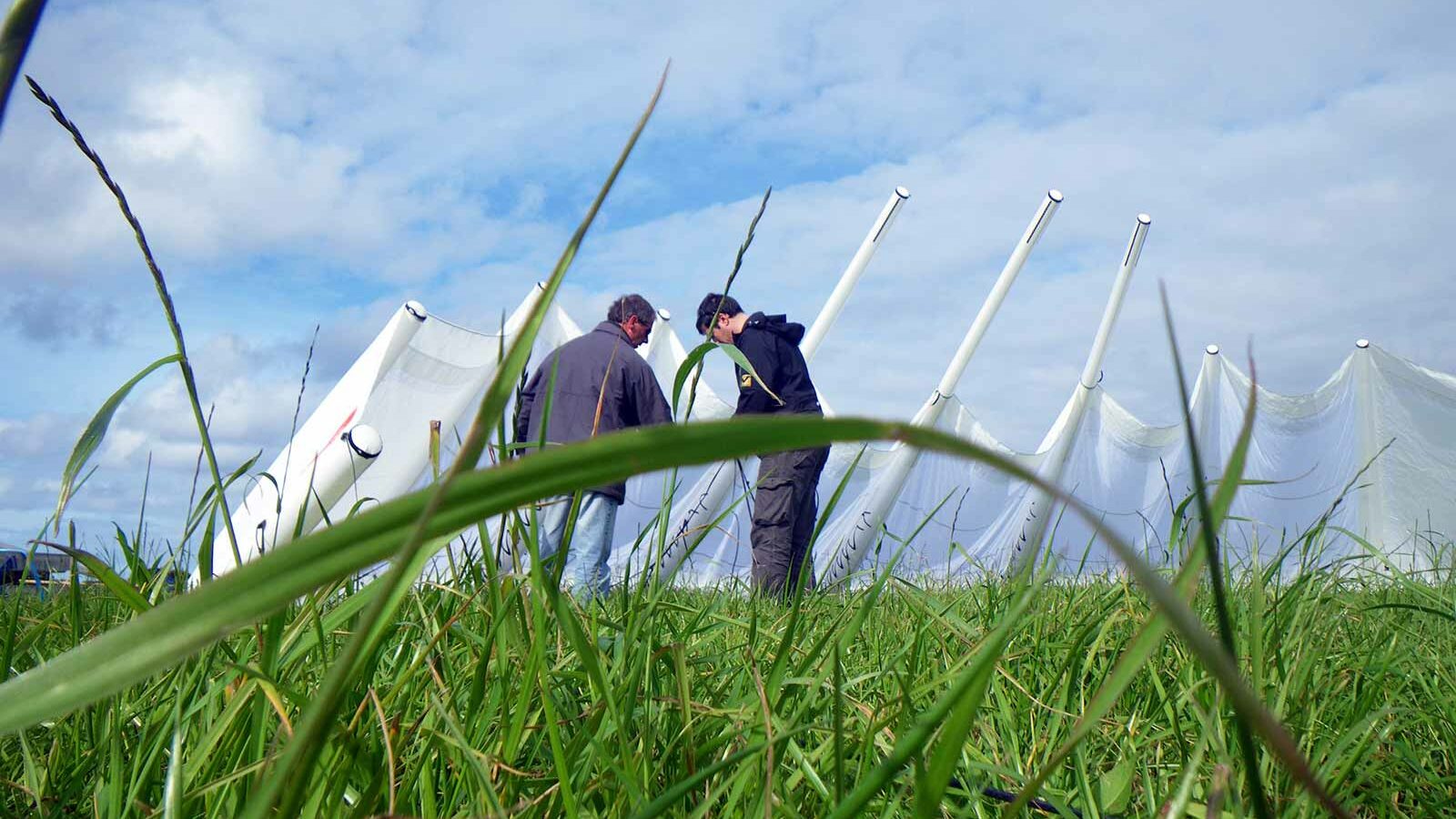
ECOBOTIX: Funen drone project fights insects with insects
Ecology is generally a success in Denmark, but organic farming still has its challenges. One of the major issues is that fighting pests with chemicals is not an option. The Funen technology startup, Ecobotix, has developed an organic drone that can transport and spread biological pesticides and thus keep the pests from eating field crops.
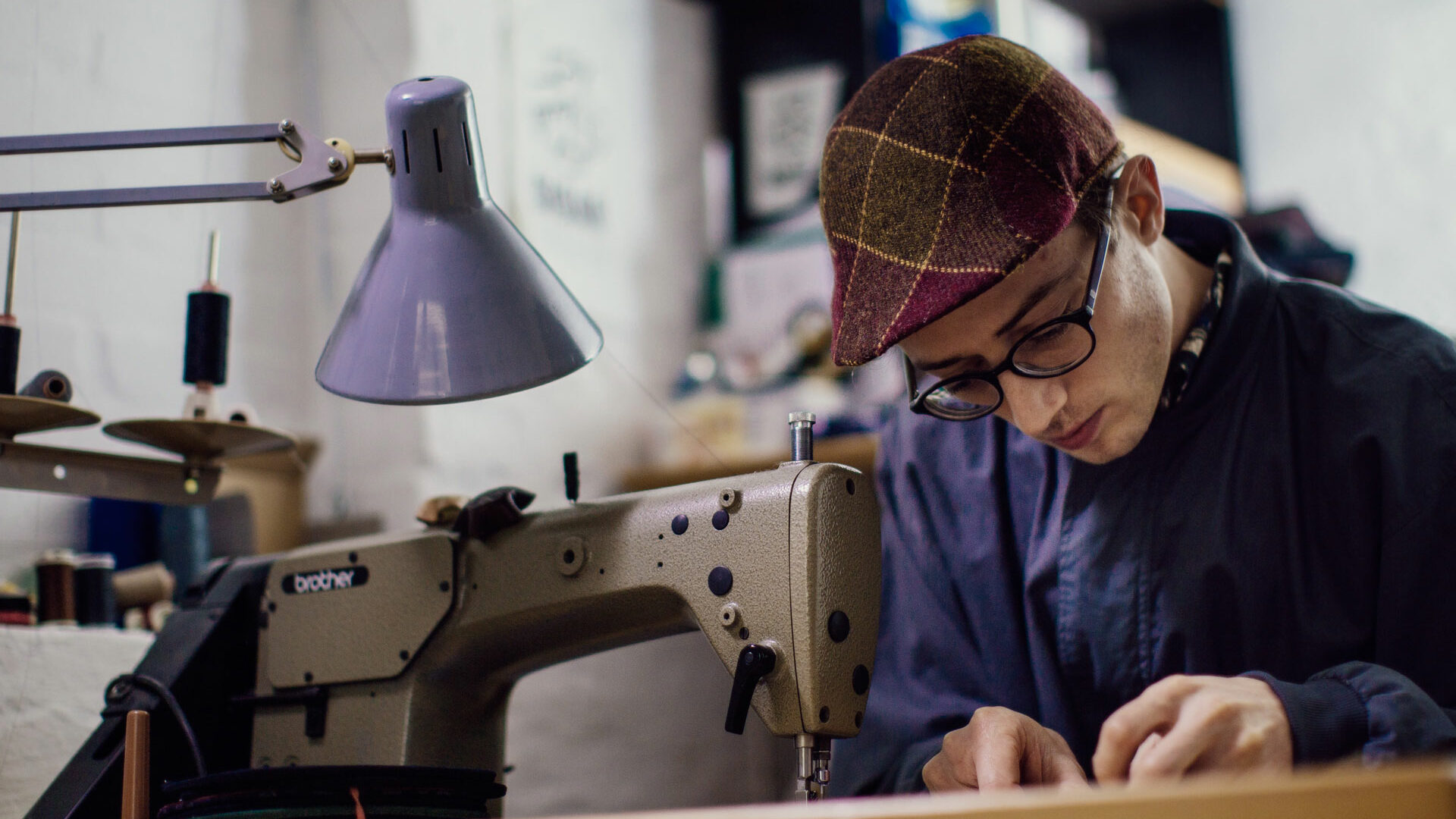
WILGART: The cap maker who changed his name
Entrepreneur Silas Gärtner came up against another company when he tried to register his trademark in the EU.
“I didn’t expect the trademark application to be a problem. The other company spelled …” Silas explains.
However, talking to trademark experts made Silas realize that the case was not quite as straightforward as that.
KITEMILL: From good idea to IP strategy and a viable business model
Inspired by the sport of Kitesurfing, where a surfboard is dragged through the water via the powerful force of a wind-driven kite, Norwegian company Kitemill had a really good idea.
Why not apply the same principle for producing CO2–neutral energy at a higher altitude where the winds are stronger and more steady. And by that, the technology behind ‘Kites’ was born.
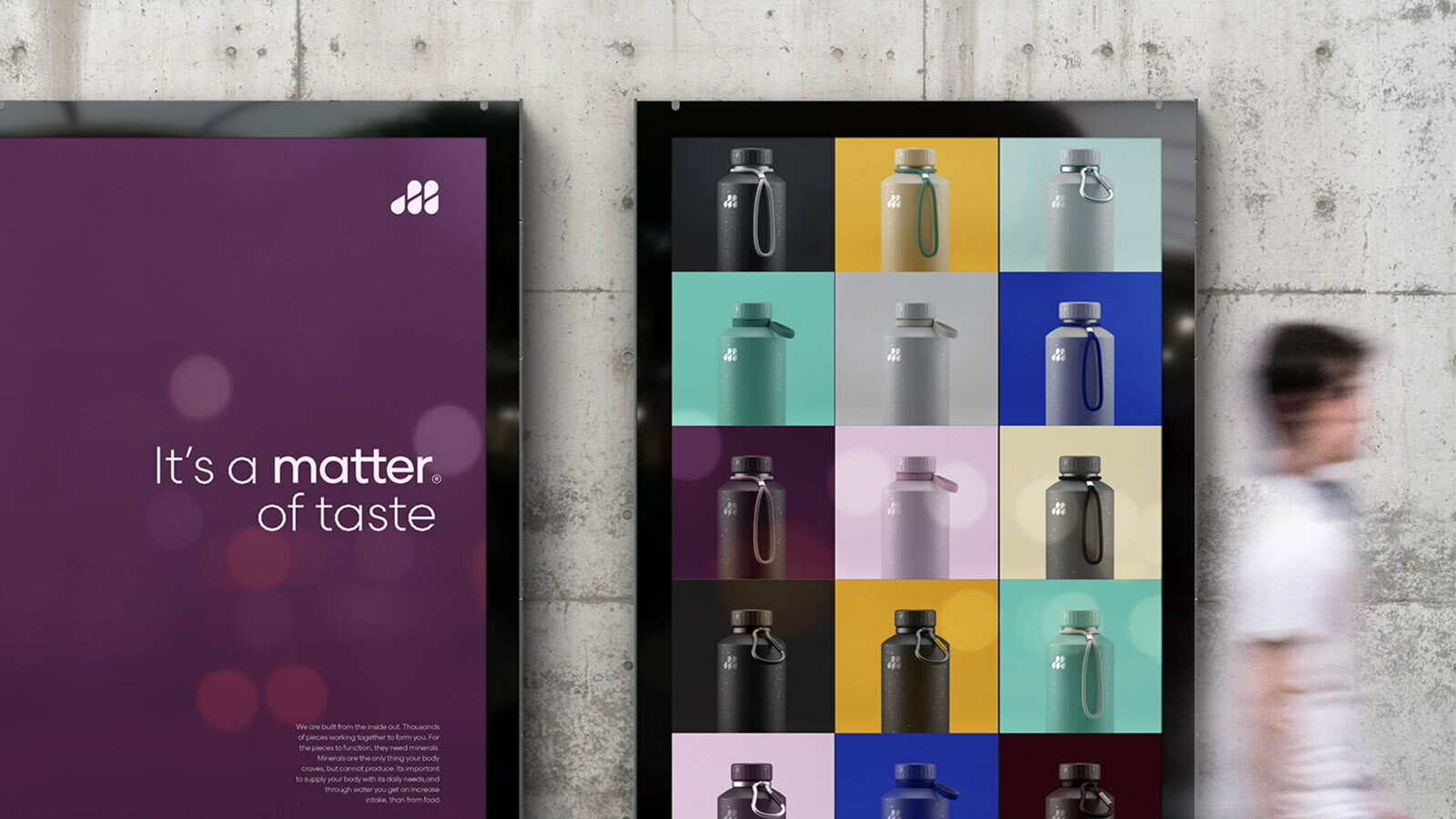
MONO+MONO: Kickstarter-success through tailored trademark consulting
With a fully-fledged concept in hand, Mono+Mono were on the brink of launching their product. Jonas and Nikolaj were familiar with the crowdfunding website Kickstarter, where entrepreneurs can obtain financial support for their business concepts. However, they were worried about the risk of someone copying their idea and went to Plougmann Vingtoft for advice. This proved to be a good move.
WINCOVER: From good idea to complete patent solution
Søren Kristensen and Claus Vilsen worked together in the window industry more than ten years ago, and that was when the idea for a new product arose. Every day they saw examples from construction sites where windows were destroyed by defect double-glazing, glass disease, mortar fallout and burnt foil because of inadequate protection. This was their motivation to rethink habits in the construction industry, which is usually a rather conservative one.